mindset
Not all stories are happy endings
although we wish for one
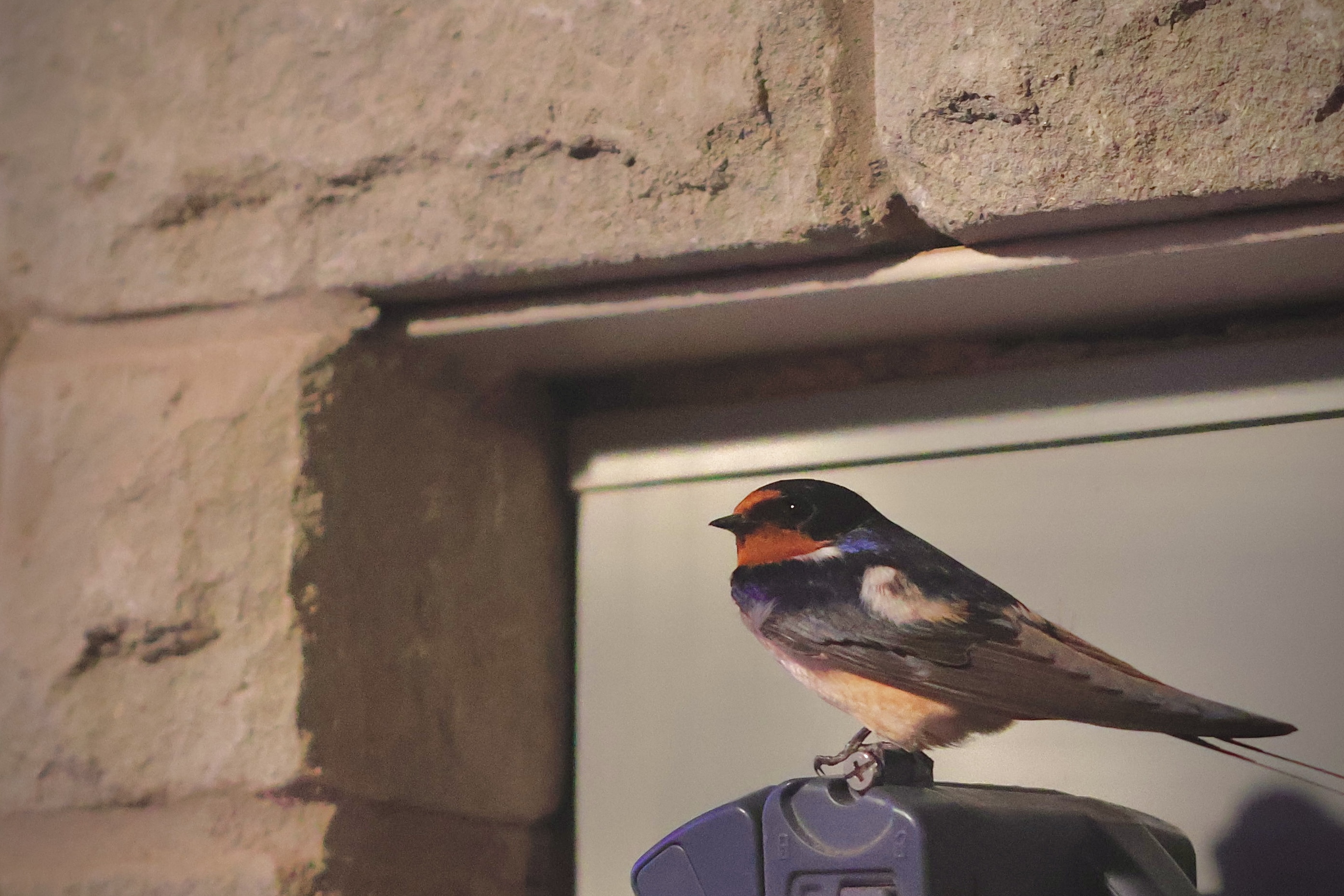
We’re all protagonists of our own story. Like anyone else, we flap our wings, viciously fighting dangers, hoping for a happily ever after to follow. The reality is it doesn’t always turn out that way.
Recently, I witnessed life and death within a swallow family.
It all started with the swallows moving back to the nest in front of our house this year too. Everything seemed normal; they renovated the nest and got themselves comfortable. And soon enough, there were a few healthy eggs.
We took this as a positive sign. In the West, swallows are birds of hope, renewal, and love. In Korean culture, they are also a bird of good fortune: a representative migratory bird that announces the arrival of spring. Since ancient times, it has been believed that if a swallow builds a nest at your house, it brings good luck, prosperity, and blessings. And because these birds vanish every autumn and come back every spring, almost to the day, they have always stood for the turning of seasons and for beginnings. To see a swallow is to be told, gently, that things come back around.
But every beginning is a struggle, and these swallows had to endure quite a few. Swallow mates are supposed to mate for life (which is why they are symbols of love). Unfortunately, this pair was not allowed to keep the promise. The offender was a force of nature too great: a night of thunderstorms and intense rainfall. The mother, as far as we could tell, met with some accident and did not return. The father, alone, presumably broke the eggs in frustration; we found them broken below the nest.
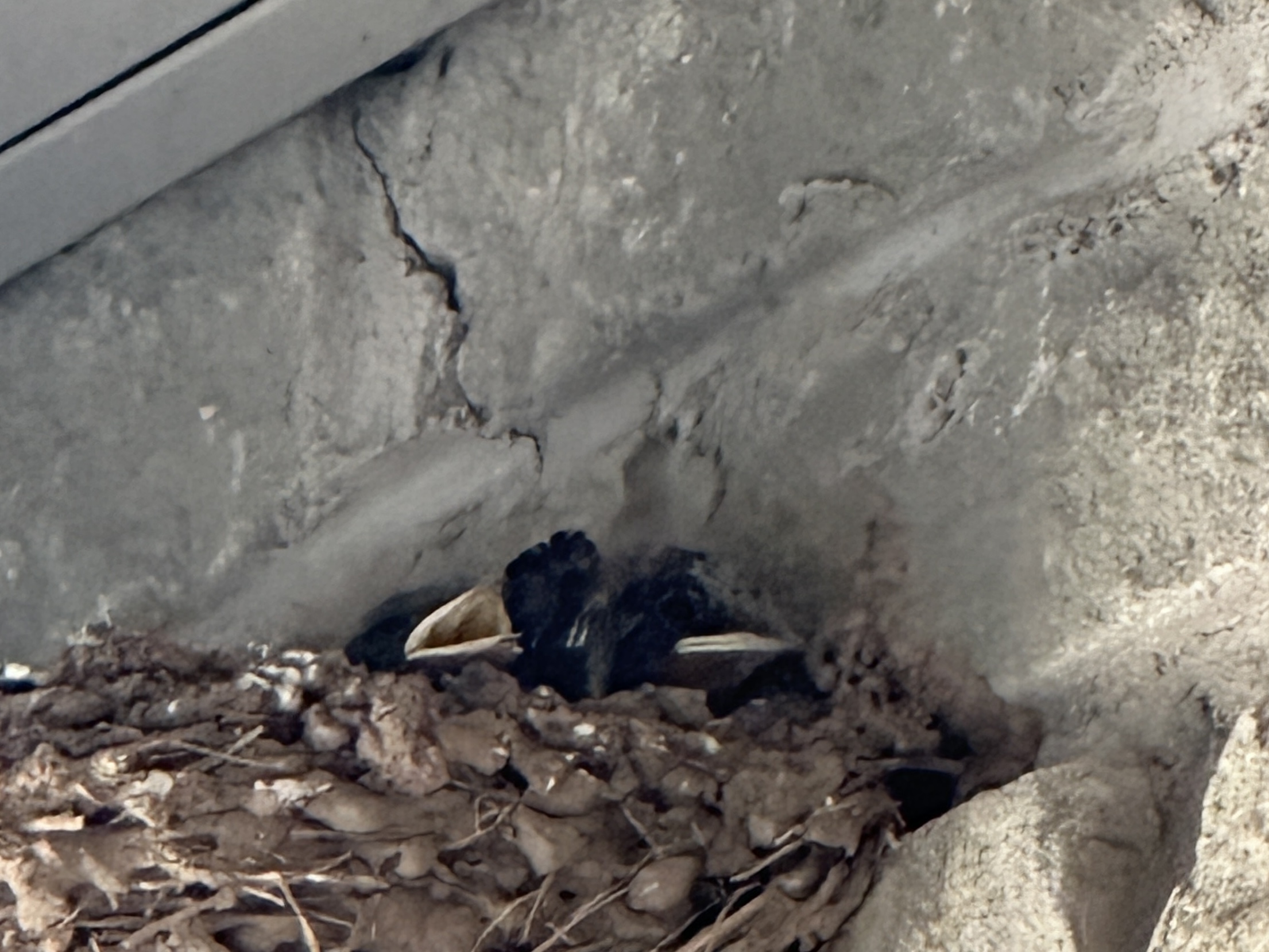
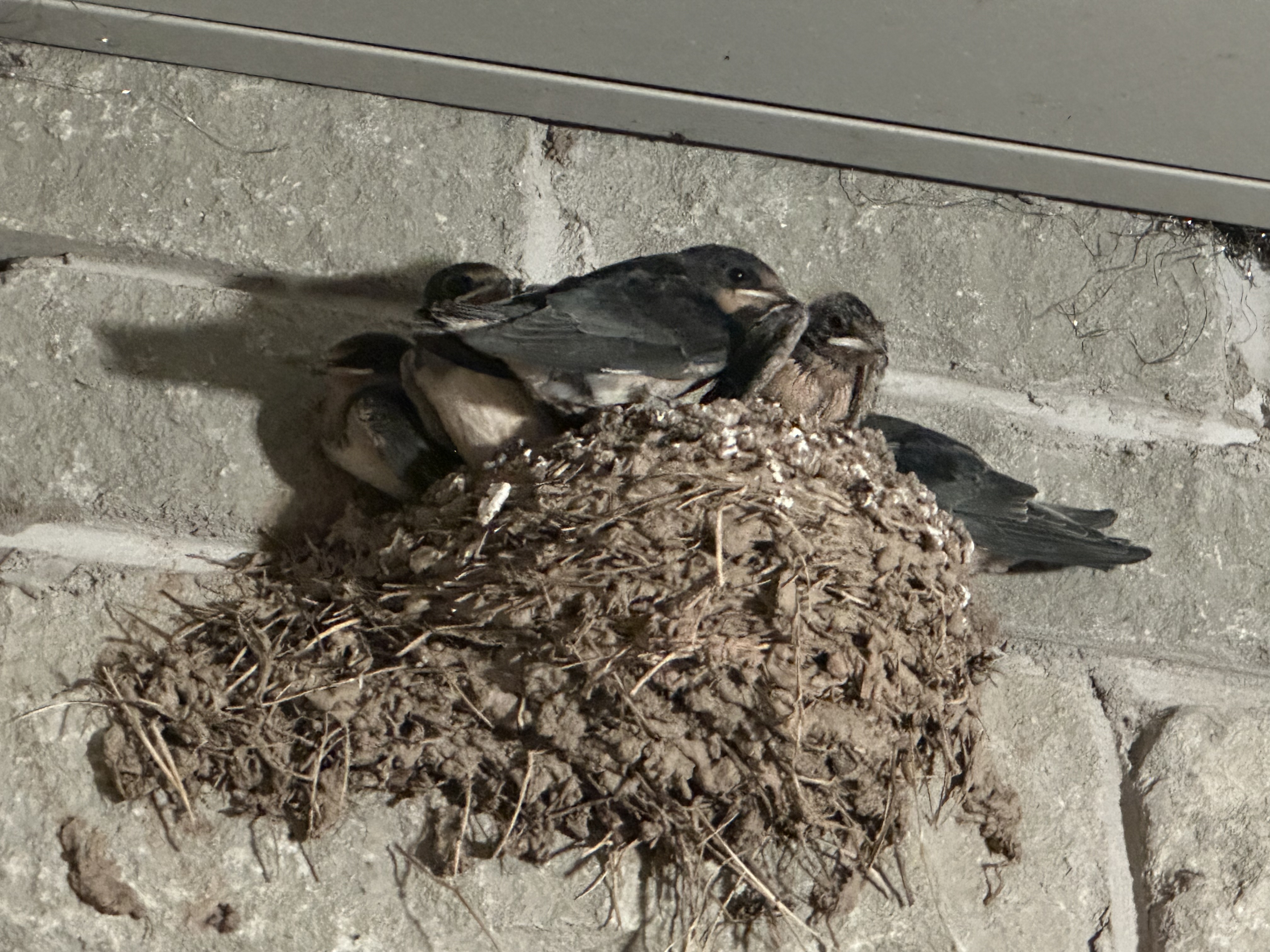
That night, although a sad one, marked a new beginning: he found a new mate. There were new eggs, and then five cute little swallows were born. We often observed five small bodies crowded into the mud cup under our roof as they grew rapidly. Every morning they chirped, all together, loud and greedy and impossibly alive, and every morning it was the best sound in the house (at least in my opinion; it was not the case for my mom).
Growth seemed steady, and all swallows seemed healthy. Sometime after, the babies developed to a point that they could fly. But one baby swallow couldn’t. We saw him on the driveway desperately trying to flap his wings to join the rest of the family. Naturally, he got left behind and faced the reality of survival.
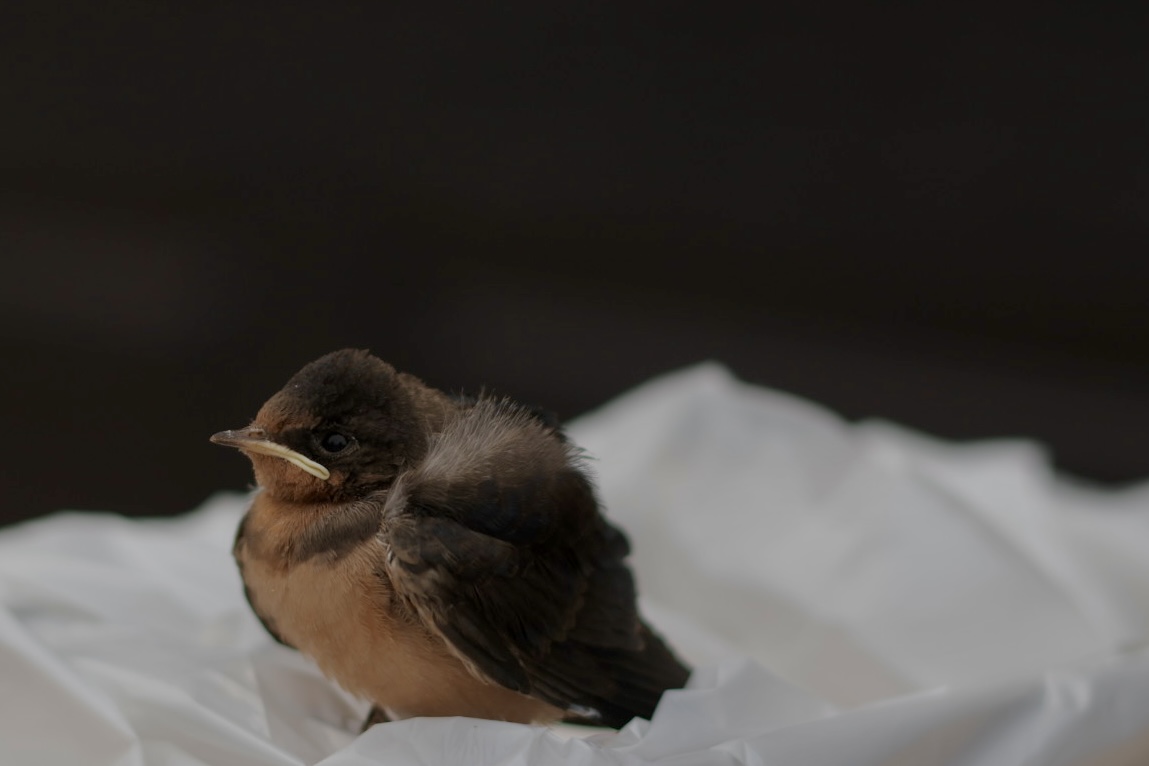
But the mother kept feeding him anyway. She came down to the ground where he sat and pushed food into his thin, open beak, at least for a while until he started refusing food, acknowledging the fate of an odd duckling. We tried to feed him too, but had little success. He turned to face the wall, and he sat there facing the wall as if he’d given up his will to live. Watching this, we grabbed onto the thin straw of hope and decided to do something, anything. We were not ready to give up on him. We moved him back up to the nest, thinking the warmth might help, thinking proximity might help, thinking anything. It was a long night of hoping, praying, and uneasiness. The next morning, I woke up with hope. However, it soon turned into devastation as I found out about his passing.
That morning, there were chirps as usual, but it felt different. I know it’s impossible for us, humans, to understand the language of the swallows, but I could have sworn it was the cries of grieving, of a mother losing their offspring. I mourned silently, revisiting the memories from yesterday.
I reflected on the experience later and the many feelings I went through in such a short time frame: joy, fondness, aching pity, sorrow, and acceptance. This specific quote came into mind:
The wind is rising. We must try to live..
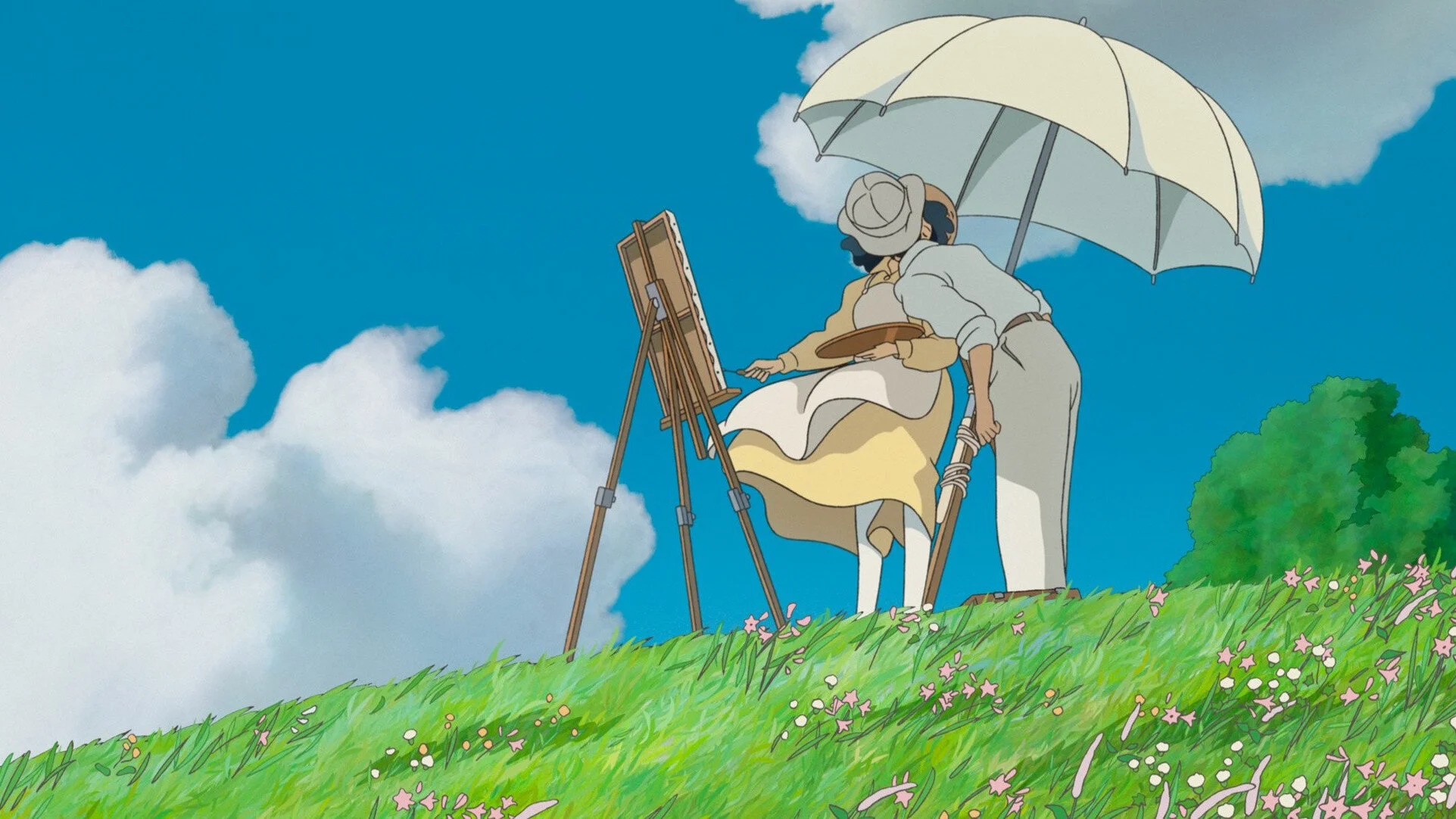
That line belongs to the French poet Paul Valéry, and Miyazaki (Ghibli Studios Director) borrowed it for a film called The Wind Rises. The film follows a man named Jiro who wants, more than anything, to build a beautiful airplane. He wants to give something graceful to the air. And unlike the swallow, he succeeds. His plane flies. That is the tragedy of it: the beautiful thing he made was turned into a weapon of war. The swallow reached for flight and failed, and died. Jiro reached for flight and succeeded, and it killed people. The longing was the same. The ending was the same. The air was merciless to both.
I keep thinking about how much of both stories happens in the wind.
The wind lifts the plane and carries the migrating swallow. The wind is also the earthquake that first throws Jiro and Naoko together, and the gust that later catches her parasol and turns her toward him again (you should watch the movie when you have time). On top of that, the wind is the thing Naoko is quietly losing, breath by breath, to the disease in her lungs. She could not hold the air that everything else rises on, and neither could the swallow. Two small failing bodies, undone by the same thin particles the rest of the world was busy flying through. Flight is really just breath, in the end. Whether you live comes down to whether you can “catch the air”.
Jiro chose to love Naoko knowing she was dying. The mother swallow chose to keep feeding a chick that struggled to live. Both of them loved against an ending they already knew was coming. They were driven by one powerful force: hope.
Hope is a powerful anchor. It gives you something to live for and a reason to push yourself. Even if there’s the slightest chance of success, we take this opportunity, for the 1% chance that things might turn out the way you want, for you to get your happy ending.
Simultaneously, hope is a powerful curse. It hands you the certainty that things will turn out for the best, that your belief will uphold its promise. But it does not always keep its word. I hoped that baby chick would endure. I’m sure its parents hoped so, and I would like to believe the chick hoped so too, in whatever way a small bird hopes. This time hope was wrong, and it usually is. But we reach for it anyway.
If hope is an anchor and a curse, what’s the compromise? I’d like to call it a beautiful curse. It gives someone or a soul a will to live, to live life to its fullest. Nobody knows whether they will reach the destination until they have actually reached it. In other words, no one truly knows what they’re doing. But knowing that we’re moving closer to our hopes, even if we may or may not reach it— wouldn’t that be a meaningful purpose? If you don’t even try to hope, they will never be bestowed upon you or magically show up at your door tomorrow. If anything, you forfeited your battle that could have been a favorable one. Maybe this is what the baby swallow was doing: wings half open, trying to lift to catch up with the family, knowing that he lacks the physics.
Maybe our fates were sealed when we were born. Maybe hope is merely a way for us to set ourselves up for disappointment, but I refuse to believe that. I believe in forging my own paths, and that willpower will prevail.
Not every ending is beautiful. The swallows showed me this faster and more plainly than I would’ve liked. But an ending that is not beautiful is not a reason to stop reaching for the air. The wind is rising. We must try to live. I believe in a we, you, and me that will come back even when the wind is hard to catch. A drop of hope is enough.